You can offer, rent, move, or bequeath itsubject to any limitations included in a different document called a Statement of Covenants, Conditions, and Constraints (CC&R s) or something comparable. The CC&R s describe the requirements and limitations on how timeshare owners utilize the property. If you buy a right-to-use timeshare interest, you aren't buying an ownership interest.
So, you won't get a legal deed. Typically, at the end of a particular variety of years, your right to utilize the residential or commercial property ends. With both deeded and right-to-use timeshares, there has to be a technique to assign the property's use. how to cancel a timeshare contract. Typical ways to set up check outs are by appointing weeks or through points.
You can purchase as numerous weeks as you 'd like, which are fixed, floating, or rotating. With a set week schedule, your week to use the timeshare falls at the same time each year. With a drifting week schedule, your week differs from year to year. In a turning schedule, your week also varies from year to year, but it alters based on a fixed schedule.
The market has now, however, basically transitioned into point-based systems. Deeded and right-to-use timeshares are in some cases point-based. They're attractive to purchasers who are interested in vacationing not only at the main property, however at other places, too. In a deeded points-based timeshare, you purchase an ownership interest at one locationyour "house resort" and you'll get a deed.
You can go to your house resort throughout your designated time, or you can utilize indicate go to a different, but connected, resort. The number of various places you can https://www.taringa.net/+taringa/linces-empezo-la-despedida-de-la-v7-bienvenida-v8-beta-megapost_33ylbf select from varies extensively among timeshare advancements. Some points-based strategies don't have a home resort. You won't get a deed, because you aren't buying an ownership interest in genuine residential or commercial property.
The Only Guide for How To Sell Timeshare Weeks
In this type of right-to-use points-based timesharesometimes called a holiday club or vacation planyou normally get a certain number of points, and exchange them for stays at different resorts. Getaway clubs provide you access to resorts, but not an ownership interest. As you can see, timeshare arrangements are made complex. The majority of timeshare designers understand that the timeshare market has a bad reputation, so sellers in some cases call themselves a trip clubeven if they're really selling deeded timeshares.
If you're still puzzled even after attending the discussion, consider seeking advice from a timeshare lawyer who can describe the kind of shared ownership you're being offered. If you go to a timeshare presentation, you'll most likely become aware of how much cash you can conserve for many years by buying a timeshare instead of spending for hotel spaces and about all the facilities you'll have the ability to access.
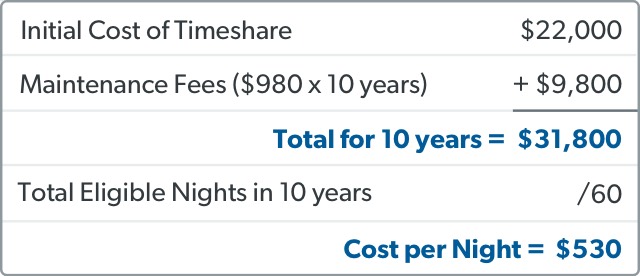
You're also not most likely to hear that annual maintenance charges, which are currently expensive, frequently increase, or that you might lose your timeshare if you can't pay the yearly dues or mortgage payments (if you secure a loan to buy one). If, after thinking about all the advantages and drawbacks, you're still thinking of purchasing a timeshare or joining a trip club, you need to go into the discussion with your eyes broad open.
The Federal Trade Commission, the state Attorney general of the United States's website, and the state's consumer security companies are good places to start your research. If you go to the discussion, but require explanation about any of the terms or conditions of the deal before choosing to purchase or not purchase, consider asking a timeshare attorney or consumer law lawyer to examine the agreement (and any other files the seller supplied) with you (how to get out of a timeshare dave ramsey).
Maintenance fees are the yearly fees every Owner spends for the expected business expenses of the program, consisting of, however not limited to, all expenditures for the operation, upkeep, repair work or replacement of the Trust Property, costs of performing the powers and tasks of the Trust Association, suitable insurance coverage premiums and associated expenditures, genuine estate taxes and reserves for capital investment and deferred upkeep.
See This Report on How To Get Out Of A Wyndham Timeshare Contract
The thought of owning a holiday home you can relax at every year can be attracting, but there are a host of considerations that come with buying and keeping a residential or commercial property. One option is a timeshare, which offers the perks of a villa, but also comes with some tradeoffs.
A timeshare is a type of trip residential or commercial property with a shared ownership design. With a common timeshare, you share the expense of the residential or commercial property with other buyers, and in return, you get an ensured amount of time at the residential or commercial property each year. Oftentimes, timeshares are smaller sized systems within a bigger resort home.
In some contracts, each purchaser owns a portion of the property (called "fractional ownership") depending on just how much time they plan to utilize it. In others, each buyer just leases the home for an amount of time usually for a minimum of numerous years without really owning it. In the past, timeshare purchasers were usually locked into one week at a single home.
Timeshare options usually fall under 2 broad classifications: A deeded timeshare is one in which you acquire ownership interest in the home. Each owner is given a percentage of the residential or commercial property itself, generally based upon the time they mean to utilize it. A non-deeded timeshare, likewise referred to as a "best to utilize" timeshare, is one in which you buy a lease or license to utilize the residential or commercial property for a set number of years, but do not really gain ownership interest in the home.
There are also various options covering timeshare usage periods: Offers you access to a particular timeshare residential or commercial property the exact same week each year Offers you flexibility to use a timeshare home at any time according to accessibility Gives you access to a timeshare property for a longer quantity of time, such as four weeks or 3 months, each year Offers you the ability to buy a certain number of points to utilize in different timeshare locations and at different seasons The average cost of a timeshare is hilton timeshare for sale $22,942 per period, according to 2019 information from the American Resort Advancement Association (ARDA).
About How Do You Get Out Of A Timeshare
If you choose to move forward with a timeshare purchase, utilizing cost savings to pay for it might be better than funding it. That's due to the fact that many banks will not provide cash for a timeshare because the residential or commercial properties tend to lose value, and while timeshare home developers might use funding, it's generally at a much higher rate of interest compared to a bank, and for a short term.
If you're trying to find a routine getaway, then timeshares and vacation houses can both be good choices. The right choice depends on your finances and your total needs and preferences. With a timeshare, your repeating costs hawaii timeshare exchange and time financial investment can be considerably lower. The yearly upkeep charges might be lower than keeping a getaway house over years, for instance, and you will not have to concern yourself with renting the timeshare while you're not using it.
On the other hand, with a villa, you'll have more control over all elements of the property, however you'll likely pay more for it. There's a silver lining to the increased costs, though: If you require to sell your villa to remove a financial obligation, it might be much easier to unload than attempting to get out of a timeshare contract. how to sell wyndham timeshare.